Why Your Fresh Paint Fails: 7 Prep Steps Homeowners Skip for House Painting in Bloomington, IN
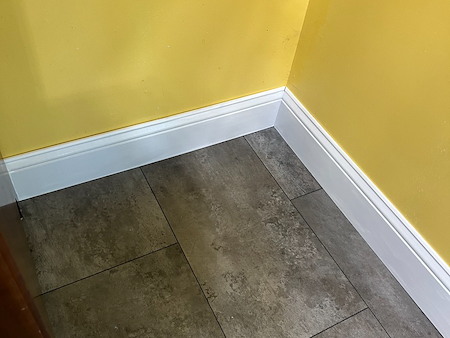
Paint should make a room feel new, not highlight every flaw. If your last project peeled, flashed, or scuffed too fast, the finish was not the main problem. Prep was. In Bloomington, IN, the surfaces themselves and our swingy weather set the rules. When you hire Handy Halcomb Services for interior and exterior house painting services, we follow a proven prep plan that helps paint hold tight and look smooth across plaster, drywall, wood trim, brick, and siding.
This guide explains the seven prep steps most often skipped, why they matter in Monroe County homes, and what a pro-quality setup looks like. You will see how each step prevents a specific failure so your next coat looks rich, even, and durable.
What Really Causes Paint Failure in Bloomington, IN
Most failures are not about brand or color. They happen because the film cannot properly bond, level, or cure on the surface it touches. Old rental stock near Indiana University, plaster in Elm Heights, wood trim in Bryan Park, and 1960s drywall in Sherwood Oaks all behave differently. Humidity from late-summer storms, spring rain, and winter dry spells push and pull on the coating. A finish that ignores these realities gives up early.
Prep Step Homeowners Skip #1: Deep Cleaning and Deglossing
Walls collect residue that kills adhesion. Kitchens hold a fine layer of aerosolized oils. Bathroom walls carry soap film. Trim builds up hand oils and old polish. These invisible films are why even quality paint can slide, streak, or fisheye. Glossy surfaces need deglossing or bonding primer to stick. Without that, you see patches where paint drags or a strange shine appears in certain light.
Prep Step Homeowners Skip #2: Repairs First, Not After
Hairline cracks, popped fasteners, and dents telegraph through fresh paint. Gaps at window casings and baseboards open and close with seasons across Prospect Hill and Near West Side homes. Using the right filler matters. Caulk is for gaps, spackle is for dents. Mixing the two roles leads to cracking seams and pitted areas that show up worse once light hits the wall.
Prep Step Homeowners Skip #3: Sanding for a Smooth, Bondable Surface
Sanding is not just for looks. It creates a tiny “tooth” that coatings grab. If it is skipped or rushed, paint sits on top of a slick surface instead of becoming part of it. That is when you get easy scuffs on hall corners or chipping on window trim that gets daily use. In older Bloomington homes with layered paint, careful leveling reduces ridges so the new finish looks uniform rather than lumpy.
Prep Step Homeowners Skip #4: Priming That Matches the Problem
Primer is not one-size-fits-all. Stain-blocking primer stops water marks and tannins from bleeding through. Bonding primer helps on slick or previously oil-painted trim. Skipping the right primer is why you see “flashing” where patches look shinier or duller than the rest. Skipping primer invites peeling and stain bleed. Once that happens, an extra topcoat rarely fixes it for long.
Prep Step Homeowners Skip #5: Moisture and Temperature Checks
Wood and masonry hold moisture from rain and daily humidity swings. Paint applied to a damp surface traps that moisture, then blisters or peels as it tries to escape. Indoors, damp basement walls and bath ceilings create the same hidden risk. Never paint over a damp surface. Seasonal timing across Bloomington and nearby Ellettsville matters too because cool nights and hot days change drying speed and film formation.
Prep Step Homeowners Skip #6: Masking and Protecting Surroundings
Clean lines and clean rooms are not an accident. Proper masking protects floors, counters, and fixtures, and it also keeps dust from crossing into the wet finish. If surfaces around a project are not protected, fallout sticks to fresh paint and leaves texture you cannot just “touch up.” Good masking is part of prep, not an afterthought.
Prep Step Homeowners Skip #7: Final Dust Control Before Paint
The last wipe-down is the difference between a silky wall and sandpaper bumps. Any sanding, patching, or carpentry releases fine dust that even looks harmless. Once encapsulated under a coat, those particles telegraph through as grit or tiny craters. A clean, dust-free surface ensures even sheen and a professional look under daylight and evening lamps.
Bloomington, IN Conditions That Punish Fresh Paint
Our area sees freeze–thaw cycles, muggy late summers, and strong sun on south-facing elevations. Exterior wood around porches in Bryan Park and Elm Heights expands and contracts, which opens joints and hairline cracks. Masonry in older basements can push efflorescence that stains through. Inside, student rentals near IU often have frequent cleaning and scuffing, so weak adhesion shows fast along entry walls and stair rails.
If you want durable house painting in Bloomington, IN, the coating must be matched to the surface and the season, and the surface has to be ready. That is the prep advantage a local crew brings.
How Pros Build a Fail-Safe Paint System
Think of a great finish as a system. Each layer supports the next and solves a specific problem the previous layer cannot. Cleaning removes chemistry problems. Repairs restore the shape. Sanding creates a mechanical key. Priming locks down stains and sets the stage for consistent sheen. When these stack correctly, topcoats can shine and endure.
- Surface is sound and uniform so color looks even under natural and artificial light.
- Right primer is chosen for adhesion, stain blocking, or masonry sealing needs.
- Gaps are sealed so joints do not shadow or crack as seasons change.
- Dust control keeps the finish smooth on trim, doors, and highlight walls.
Handy Halcomb Services brings that system to every project, from plaster patching in Elm Heights to trim renewal in Sherwood Oaks, so the final coat is not trying to fix prep shortcuts.
Quick Checks Before You Say “Ready to Paint”
You do not need to know product names to recognize a surface that is not ready. These simple cues predict failure if ignored:
- Shiny areas on patched walls that look different at an angle.
- Darkened wood knots or old water stains showing through primer.
- Open seams at baseboards, window casings, and crown.
- Grit you can feel when you run a clean hand lightly over the wall.
- Musty smells or cool damp spots on basement or bath ceilings.
If you see any of these, it is a sign that more prep is needed for a lasting finish rather than a reason to rush into topcoat.
Interior Painters Who Respect Prep in Every Room
From kitchens off Walnut and College to rentals close to Kirkwood Avenue, interior traffic is tough on corners, doors, and trim. Our team aligns the process to the room. Kitchen walls get special attention for residue. Baths are checked for humidity issues. Living rooms and stairwells get extra leveling so light does not reveal lines at night. That is how we prevent flashing and touch-up mismatches on projects that must look good in every season.
Exterior Surfaces Need More Than a Nice Color
Outside, Bloomington’s spring rains and late-summer heat mean wood and masonry move. Porch ceilings, fascia boards, and window sills are common failure points because water lingers. Sound prep reduces swelling and cracking that break the paint film. When those details are handled, topcoats keep their bond and shed weather instead of soaking it up.
Why “One More Coat” Never Fixes Bad Prep
Adding another coat over problems only hides them for a short time. The extra layer often highlights texture differences and traps stains or moisture even more. The result is more peeling, more flashing, and more frustration. A durable finish starts with surface truth: clean, dry, sound, smooth, and sealed where it needs to be sealed.
Clear Wins You Can See and Feel
Great prep changes how a wall feels and behaves. Corners resist scuffs longer. Doors close without sticking to fresh paint on the jamb. Trim looks crisp instead of wavy. Colors appear deeper and more consistent from baseboard to ceiling. These are the everyday signals that the surface underneath was respected, not rushed.
Work With a Bloomington Crew That Sweats the Details
When you bring in Handy Halcomb Services, you get a local team that understands limestone dust from nearby projects, old plaster quirks, and how fast humidity can swing after a storm rolls over Lake Monroe. We line up the right prep sequence for your home style and schedule, then apply coatings that fit the season. If you want to see what that system looks like, our house painting page walks through the process we follow on interiors and exteriors across Monroe County.
Ready For a Finish That Lasts
Let us look at your surfaces before anyone talks colors. A short walkthrough identifies which of the seven prep steps matter most in your rooms or on your exterior, so you get a smooth, durable result the first time. To get started, call 812-340-3606 or visit our house painting page to request a convenient time with Handy Halcomb Services in Bloomington. That way your next coat is built to last, not to cover up shortcuts.

GET A FREE QUOTE TODAY FROM THE #1 BLOOMINGTON HANDYMAN