Ceiling Fan Installation in Bloomington, IN: Sizing, Placement, and Common Mistakes to Avoid
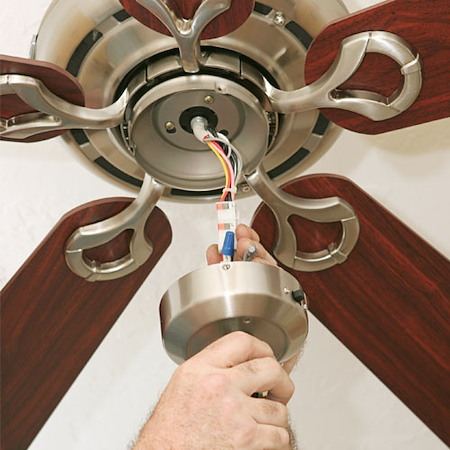
When summer humidity sticks around Monroe County and winter cold snaps arrive, a well‑chosen ceiling fan makes daily life more comfortable. The right size, mounting height, and placement matter just as much as the model you pick. If you want a smooth, safe result, schedule professional ceiling fan installation with a local team you can trust.
Below is a simple, homeowner‑friendly guide to help you feel confident about your choices before a pro steps in. We cover blade span sizing, selecting the correct downrod length, placement do’s and don’ts, and the most common mistakes that lead to wobble, noise, and poor airflow in Bloomington, IN homes.
How To Size Your Ceiling Fan for the Room
Fan size is mostly about square footage and ceiling height. A fan that’s too small will make noise and work hard without moving enough air. One that’s too large can feel drafty or overwhelm a small room.
- Small rooms up to about 75 sq. ft. (hallways, small offices): 29–36 inch blade span
- Medium rooms 76–144 sq. ft. (typical bedrooms near Bryan Park or Prospect Hill): 42–48 inch blade span
- Large rooms 145–225 sq. ft. (primary bedrooms, modest living rooms): 50–54 inch blade span
- Great rooms 226–400+ sq. ft. (open living areas common in newer builds): 56–72 inch blade span
Think about furniture layout too. A fan serves people, not empty corners. Center it over the main seating or sleeping area so you actually feel the breeze where you sit or rest.
Correct Downrod Length for Bloomington Homes
Most people focus on blade span and forget the downrod. The downrod sets the sweet spot for airflow. As a rule of thumb, aim for the fan blades to sit around 8 to 9 feet above the floor. Rooms with 8‑foot ceilings usually call for a low‑profile mount. Taller ceilings need a downrod so the air reaches you instead of lingering overhead.
Here’s a simple way to think about it: the taller the ceiling, the longer the downrod. For example, a 9‑foot ceiling often pairs well with a short downrod, while 10 to 12 feet might call for a moderate to longer downrod so comfort reaches the seating area. Your installer will fine‑tune length based on ceiling height, fan model, and the room’s main use. Choosing the correct downrod length is one of the easiest ways to get better comfort without using a bigger fan.
Smart Placement: Height, Clearance, and Sloped Ceilings
Placement is where a professional eye pays off. Three clearances matter: floor to blades, blades to walls, and blades to the ceiling. Keep blades roughly 8–9 feet above the floor, at least about 18 inches from side walls, and allow enough space above the fan for airflow back to the motor housing.
Sloped or vaulted ceilings around Elm Heights or Hoosier Acres add another detail. Many fans include a sloped‑ceiling adapter, but the pitch has limits. Your pro will confirm compatibility and center the fan so air spreads across the room rather than rushing up the slope.
Replace vs. First‑Time Install: What Changes
Swapping an old fan for a modern, quieter model is usually faster because power and switching are already in place. First‑time installs often include an upgraded ceiling box, proper bracing, and control choices. If your room needs new switching or a separate light control, an electrician may recommend wall controls or a remote system that matches your home’s wiring and daily use.
If you have questions about wiring, dimmers, or panel capacity before choosing a model with lights, scan this quick read on warning signs that deserve attention: signs your home has an electrical safety issue. It explains when small clues point to bigger problems that a pro should evaluate.
Ceiling Fan With Light: Wiring and Control Options
Many fans include an integrated light kit, which raises a simple question: how do you want to control it? Separate wall controls for fan and light feel natural in high‑traffic spaces, while remotes work well in bedrooms. In older homes near campus or in historic neighborhoods, existing wiring may limit options. A professional can match your switch, remote, or smart control to the wiring you have today and may suggest updates during electrical repairs if that unlocks a better setup. Pairing a fan with a modern LED light kit also improves brightness while keeping energy use low.
Local insight: Bloomington summers are humid, and winters can be sharp. Set your fan to push air down in summer for a cooling breeze. In colder months, a gentle upward circulation helps move warm air without a draft. A pro can confirm the ideal setting during service so your comfort matches the season.
Common Mistakes to Avoid
Most comfort complaints trace back to a few predictable errors. The good news is they are easy to prevent when a pro handles the install and checks the room layout first.
- Wrong fan size for the room. Undersized fans run loud and underperform. Oversized fans can feel drafty in small rooms.
- Mounting to a standard light box instead of a fan‑rated support. This risks vibration, noise, and long‑term damage.
- Blades too close to walls, beams, or tall cabinetry. Airflow needs room to circulate.
- Using incompatible dimmers or controls. Motor hum and light flicker often come from the wrong switch or control type.
- Ignoring balance at install. A quick balance check prevents a wobbling fan fix call later.
One more quiet troublemaker is loose hardware. A professional will recheck canopy screws, blade brackets, and the mounting system after initial run‑in. That small step keeps motion smooth and noise low over time.
What Causes a Wobble and How Pros Correct It
Even brand‑new fans can wobble if one blade weighs slightly more than the others or if the mounting isn’t perfectly centered. Your installer will confirm the box and bracket are secure, then use a simple balancing process to fine‑tune rotation. They may re‑index blades, verify hardware torque, and apply small weights where needed to get a steady, quiet spin.
If the fan sits under a supply vent, air from the register can push one blade more than the others. Shifting the register direction or fan position just a bit can stop a mysterious shake. The fix is quick once the true cause is found.
Choosing Features That Fit Bloomington Living
Ceiling fans have grown up. Quiet DC motors, improved blade designs, and smart controls make a big difference in day‑to‑day comfort. If you prefer warm light in the evening and bright task lighting during the day, look for adjustable LED kits that match how you use the space. In bedrooms, a slow, steady speed can keep air fresh without cooling you too fast overnight.
Porches and sunrooms around Bloomington often need damp‑rated models. In fully exposed areas, talk with a pro about wet‑rated options and mounting details that stand up to wind and moisture. Picking the right rating protects the motor and finish so your fan stays looking new.
Making a Plan for Your Home
Before you buy, sketch where people sit, how tall the ceiling is, and which way doors swing. Then talk through the plan with a local installer who will match blade span, downrod, and placement to your layout. If lighting quality is also on your list, it might be smart to pair the visit with ceiling fan installation in Bloomington, IN planning at your home’s main hub so the overall plan fits your day‑to‑day routines with Handy Halcomb Services.
Real‑World Examples Around Town
In a near‑campus rental with 8‑foot ceilings, a low‑profile 44‑inch fan centered over the bed brings comfort without crowding the room. Over in Elm Heights, a 10‑foot living room ceiling often calls for a slightly larger fan and a short downrod to land airflow where family and guests gather. In newer homes with open living areas, one well‑placed 60‑inch fan or a pair of balanced fans can move air across zones without blasting the sofa.
If your current fan never felt “quite right,” it may be the wrong size or mounted too high. A brief visit from a pro can measure, recommend, and swap in the right combination so airflow feels natural and quiet.
When To Call a Professional
Any sign of buzzing controls, flicker at the light kit, or a warm wall switch deserves a closer look. If your home’s wiring has quirks from past remodels, it is smarter and safer to let a professional evaluate it first. That way, you get the comfort upgrade you want and avoid surprises behind the ceiling. For persistent electrical concerns discovered during a fan project, a quick handoff to licensed electrical repairs keeps the job on track and safe.
Your Next Step
You do not need to settle for noisy fans or weak airflow. With the right blade span, the correct downrod length, and smart placement, your rooms will feel better in every season. When you are ready, talk with Handy Halcomb Services about your layout and goals, and we will align the model, mounting, and controls to fit your space. If you want a brighter room too, we can coordinate fixtures during the same visit and make sure fan and lighting play well together. For homes that need updated fixtures elsewhere, explore light fixture replacement during the planning stage.
To get started, reach out today or call 812-340-3606. If you already have a model in mind, we will double‑check sizing and placement, then handle a smooth, code‑conscious install. For a seamless experience from selection through setup, schedule your ceiling fan installation and enjoy a cooler summer and a cozier winter in Bloomington, IN with Handy Halcomb Services.

GET A FREE QUOTE TODAY FROM THE #1 BLOOMINGTON HANDYMAN